Games like 2048
10 free browser alternatives, hand-picked by the DooDoo.Love editors.
2048 works because every move feels small until the board suddenly tightens. Sliding numbered tiles, protecting high-value pieces, and deciding when to chase one more merge creates a clean loop of risk, order, and mild panic. It is simple enough to understand immediately, yet stubborn enough to make each failed grid feel self-inflicted.
This page collects browser-playable alternatives that keep that merging satisfaction while changing the shape of the puzzle. Some swap the flat grid for bouncing cubes, falling fruit, themed objects, or arena-style number collisions. Others keep the familiar escalation toward larger values but add gravity, stacking, or spatial aiming. Each pick suits players who like 2048’s readable rules, gradual progression, and constant pressure to make room.
What makes these games similar
These recommendations share 2048’s core pleasure: combining matching pieces to create higher-value results while preventing the play space from clogging. The pace is usually thoughtful rather than frantic, but each action changes future options. Whether pieces slide, drop, bounce, or stack, success comes from planning merges ahead and keeping escape routes open.
The 10 alternatives
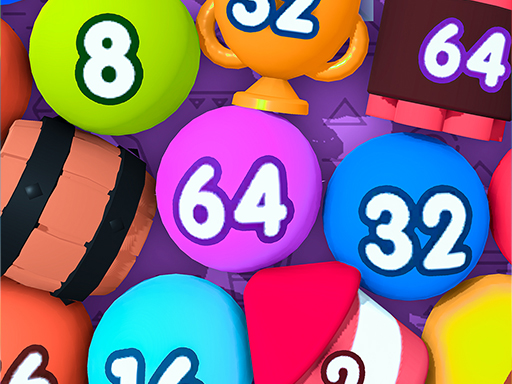
Keeps the numbers-doubling brain of a merge puzzle but hands you a launcher: you shoot numbered bubbles into the field, where realistic bouncing physics decide what actually touches what. Rockets and dynamite clear jams, and starred levels feed reward chests. Choose it when you want trajectory judgment layered on top of familiar merge planning.
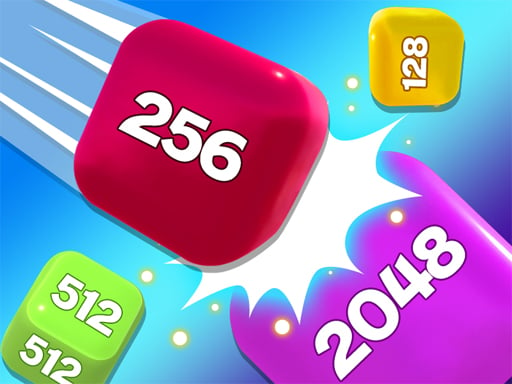
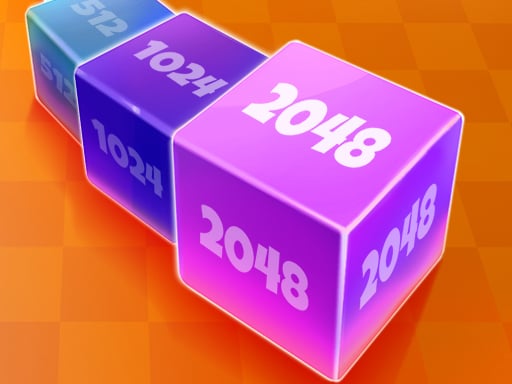
Moves the doubling grid into 3D space: you launch numbered cubes and let momentum finish the job, with successful merges triggering physical chain reactions. Cubes that fail to merge bounce off each other and scatter, so aggressive throws can fragment the clusters you were building. For players who want their merge planning to feel kinetic.
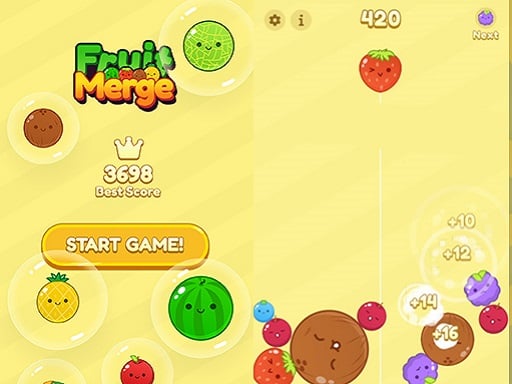
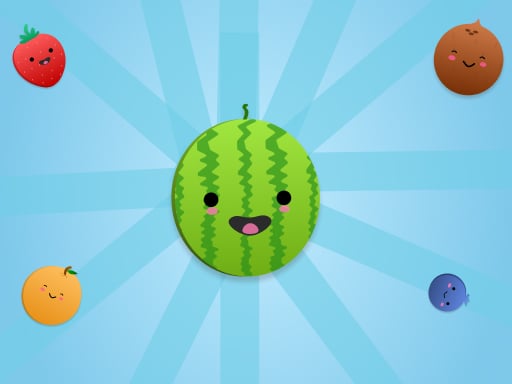
Swaps tiles for fruit with one clean rule: drag a fruit onto a matching one and they merge into a bigger fruit exactly where they collide. The escalation chain tops out at the watermelon, worth 1000 points, and since drops land anywhere, protecting open space becomes the real skill. A friendly on-ramp for merge-puzzle habits.
Adds a clock to the familiar board-control problem: same-colored blocks explode when dragged near each other, and every level wants the whole board cleared before the timer runs out. Leaving certain blocks unmerged can set up bigger cascades later, the same delayed-gratification logic as saving a high tile. For players who like merge planning with urgency.
Pulls the doubling mechanic into a live arena: your numbered cube grows by collecting free cubes and absorbing smaller players, and same-value cubes merge when they bump. Because collisions favor momentum, you can deliberately push merges instead of waiting for luck. Pick it when solo grid-sliding starts feeling too safe.
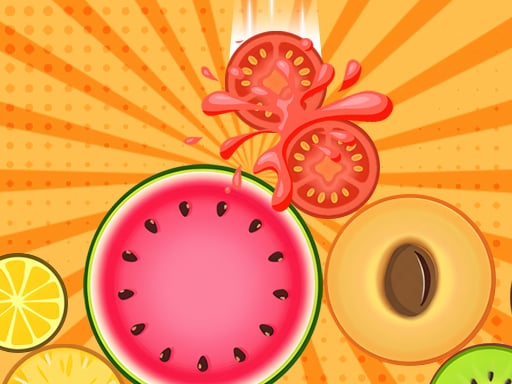
The same fill-the-space anxiety, played vertically: you drag each fruit to a drop point, release, and hope the merge below goes to plan before the box overflows and ends the run. Keeping similar fruits clustered sets up chain reactions, so tidy players outscore lucky ones. Good for short sessions with a visible failure line.
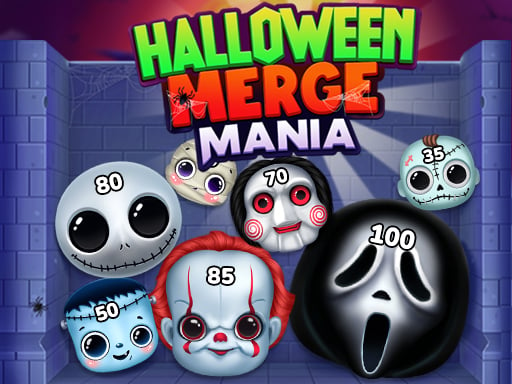
A Suika-style drop-and-combine board in seasonal costume: pumpkins and bats merge upward into bigger creatures, eventually reaching monsters like Frankenstein and Jack Skellington. The upgrade ladder is pure 2048 logic — but sudden chains can reshape the board, so space management still decides runs. Best when you want familiar merge pressure with Halloween personality.
The decompressed take on merge puzzling: no penalties, no time limits, just consecutive combos that make the score jump when you chain them cleanly. Sound and feedback do the celebrating while you focus on preserving chains rather than clearing fast. Choose it for wind-down sessions where 2048-style planning sounds nice but pressure does not.
Applies the merge-and-upgrade curve to faces instead of numbers: swipe to combine iconic characters into larger mega-characters, with power-ups like the Personality Blender, Bomb, and Double Points on call. Hundreds of levels carry distinct objectives, so it plays as a campaign rather than one endless grid. For merge fans wanting stage-by-stage goals.
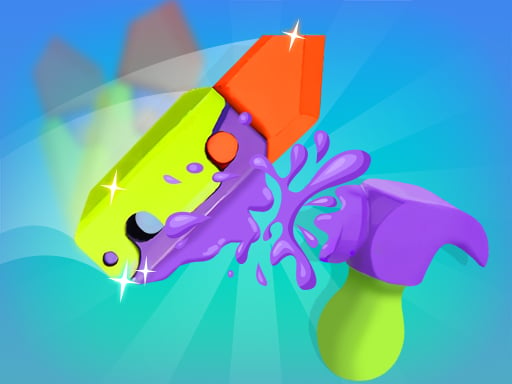
Gravity-driven placement rules here — you merge weapons under a countdown, scoring what you can before the time limit forces a reset. The defining wrinkle is a single free elimination shot that removes unmerged pieces; spend it early and a cluttered board has no rescue. Suits players who like one high-stakes resource in their puzzles.


Which one should you try first?
Choose these alternatives when standard 2048 starts feeling too solved or too grid-bound. The number-merging picks are best for preserving the original logic with a different board feel, while fruit, cube, and themed versions add visual variety without discarding the central goal. They are also useful for short browser sessions: quick to understand, easy to restart, and capable of producing that same one-more-merge pull.
FAQ
What should 2048 players look for in a similar puzzle game?
A strong alternative should keep clear merge rules, visible progression, and meaningful space pressure. The best matches are not just number skins; they create the same tension between making an immediate combination and saving room for a larger future merge.
Are these 2048 alternatives easier than the original game?
Some feel easier because fruit, bubbles, or cubes make outcomes more forgiving at first. Others become tricky in a different way, especially when physics, bouncing, or stacking affects placement. The challenge shifts from pure grid planning to spatial control.
Which games stay closest to classic numbered 2048 merging?
Bubble Merge 2048, Chain Cube 2048 3d Merge Game, and Cube Arena 2048 Merge Numbers keep the clearest connection to number growth. They preserve the satisfaction of building larger values while changing how pieces move and collide.
Can these games be played casually in a browser session?
Yes. These picks are suited to quick browser play because the rules are readable within moments and restarts are low-friction. A session can be a short score chase or a longer attempt to keep the board under control.
Explore more
Looking beyond 2048? Browse our full free games catalogue, categories, or popular tags like puzzle, 2-player, or .io games.