Games like Chess
10 free browser alternatives, hand-picked by the DooDoo.Love editors.
Strip Chess down to its essence: two minds, sixty-four squares, no timer. The timeless duel of strategy and foresight captivates players who relish deep thinking and tactical planning. Chess's enduring appeal lies in the balance between patience and aggression, with every move carrying weight.
For those drawn to this cerebral challenge, exploring games that emphasize logic, pattern recognition, and mental agility can extend the thrill. These selections offer varied cognitive demands and pacing but share the spirit of thoughtful engagement that Chess players appreciate.
The anchor: Chess
If Chess is what brought you here, play Chess on DooDoo.Love.
What makes these games similar
This collection unites games that emphasize deliberate decision-making under constrained conditions, focusing on mental calculation and spatial reasoning rather than rapid reflexes. The binding axis is the cognitive pacing and the requirement to anticipate consequences several steps ahead, rewarding players who enjoy measured, strategic thought.
The 10 alternatives
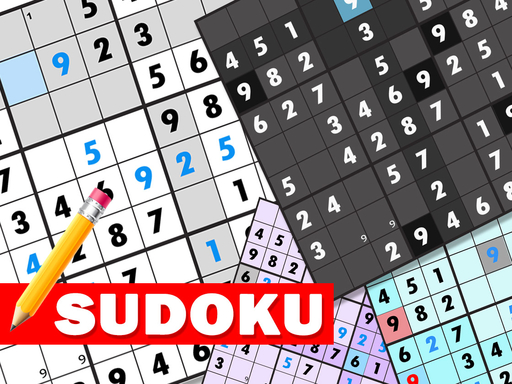
Trades an opponent for a grid, but the mental motion is identical: scan constraints, rule out impossibilities, and let each confirmed placement open the next deduction. Sudoku Deluxe covers both moods — relaxed easy boards and genuinely hard ones that make the brain work. The natural second game for players who study rather than guess.
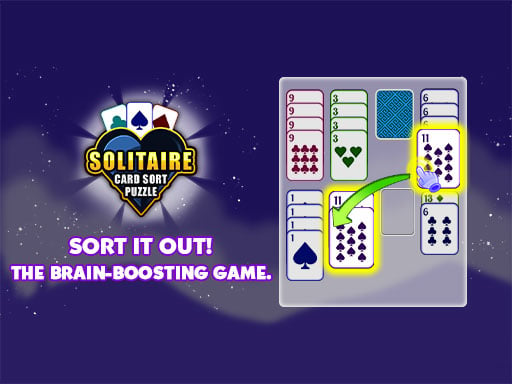
Positional thinking applied to cards: sort every card into perfect color order, deciding which groups to build first and which moves to postpone. Later levels get demanding enough that the nearest match is often the wrong one — the same trap as an obvious capture that loses the endgame. Quiet, solitary, and more calculating than it looks.
Calculation with a twist of misdirection: math riddles assembled with an IQ-test approach, where the first numbers you see are rarely the real question. The winning habit is pure chess discipline — identify the underlying logic before committing to any calculation. Short puzzles, but the interpretive work gives them surprising weight.
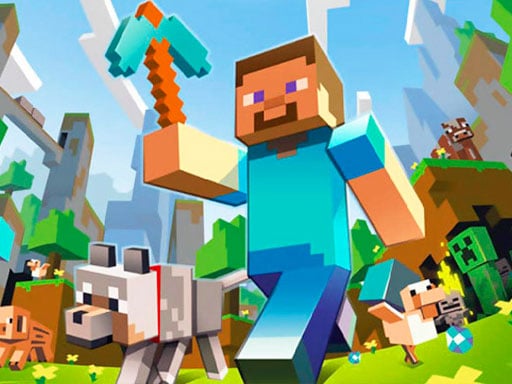
Visualization practice without an opponent: a voxel sandbox where structures exist first in your head, then get built block by block, with grid snapping preserving symmetry on ambitious projects. No guided objectives — motivation is self-supplied, which suits players who already enjoy staring at a position and imagining better ones.
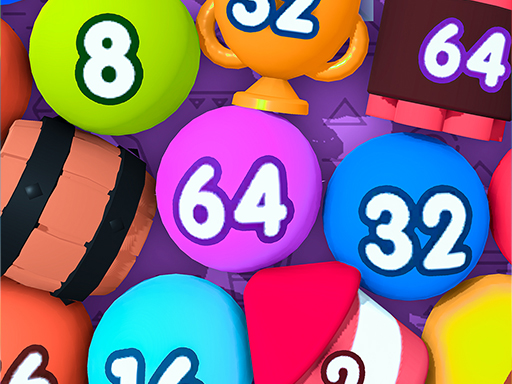
Thinking several moves ahead, except the pieces bounce: numbered bubbles ricochet with realistic physics, so every shot needs both a merge plan and a trajectory read. Rockets and dynamite serve as tactical resources for boards gone wrong. A lighter calculation exercise for when a full game feels like too much commitment.
Sequence optimization drawn by hand: each level asks for lines or shapes that guide a stickman to safety, and the strokes act physically — as ramps, barriers, or shields. Timing joins placement in the calculation, since a line drawn too late changes nothing. The appeal is committing to a plan and watching it either work or teach you.
An evolving board state under real pressure: stack tetrominoes and clear lines while six unlockable worlds — neon, fire, ice, void — rewrite the rules and speed underneath you. Rote patterns stop working when the map shifts, so the skill is reading conditions and adjusting setups early. Chess instincts, arcade heartbeat.
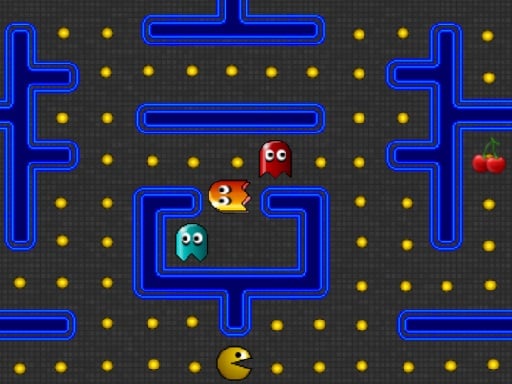
Anticipation at speed: up to 70 maze levels where enemy movement patterns are the position to read, and big dots — which slow enemies and turn them blue — are your tempo moves. Reckless pursuit during that window loses runs; positioning before committing wins them. A brisk exercise in thinking ahead while everything moves.
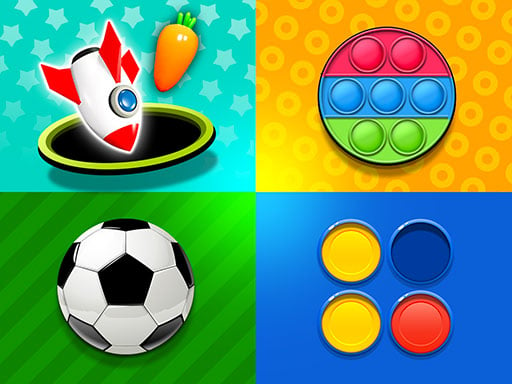
The variety cabinet for head-to-head thinkers: 27 mini-games spanning mancala, ludo, Tic Tac Toe, matching, and skill challenges, most playable with two, three, or four players on one device. No single ruleset gets deep, but the constant genre switching is its own mental test. Family-safe and built for quick local duels.
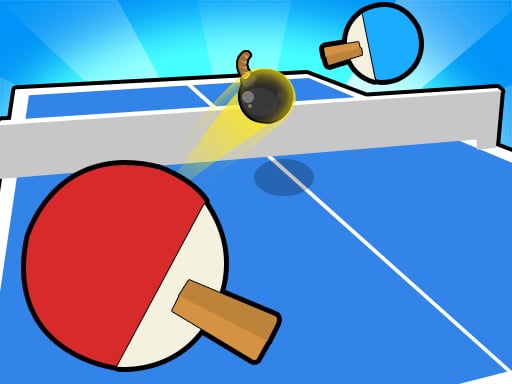
The reflex-side complement to slow calculation: control the racket, return accurately, and fight for every point against opponents who get tougher as you go. It still rewards the chess habit of studying the other side — watching returns and adjusting strategy beats repeating the same shot. Quick matches, genuinely competitive head-to-head intensity.


Which one should you try first?
Pick these games when seeking mental challenges that reward planning and foresight but vary in pacing and complexity. Whether desiring solitary puzzles or competitive duels, these titles provide alternatives that engage the same strategic faculties Chess fans value.
FAQ
Is five-minute blitz chess good for learning?
Five-minute blitz chess helps develop quick pattern recognition and intuition but may sacrifice deep calculation. It is useful for practicing openings and tactics but less effective for mastering strategic concepts.
Should beginners start with Chess or a variant?
Beginners often benefit from simplified Chess variants or puzzles that focus on specific skills like tactics or endgames. This approach builds foundational understanding before tackling full games.
How important is memorizing openings in Chess?
Memorizing openings provides a practical advantage by saving time and avoiding early mistakes, but understanding underlying principles and adaptability is more crucial for long-term improvement.
Can playing Chess improve cognitive skills beyond the game?
Chess enhances skills such as problem-solving, memory, and concentration. Regular play can improve strategic thinking and the ability to anticipate consequences in various contexts.
Explore more
Looking beyond Chess? Browse our full free games catalogue, categories, or popular tags like puzzle, 2-player, or .io games.