Games like Geometry Dash
8 free browser alternatives, hand-picked by the DooDoo.Love editors.
Geometry Dash turns one button into a full reflex exam: jump, fly, flip gravity, and memorize obstacle patterns while the level keeps pushing forward. Its appeal comes from the tight restart loop, sharp visual timing, and the satisfying moment when a sequence that looked impossible finally clicks with the beat.
This list collects browser-playable alternatives that keep that same instant-pressure feeling without asking for a new control scheme. Some copy the cube-and-spikes structure closely, while others swap in neon roads, snowy slopes, meme characters, or harsher survival layouts. The common thread is simple input meeting exact timing.
Geometry Dash is a trademark of RobTop Games AB. DooDoo.Love is not affiliated with or endorsed by RobTop Games, and the browser titles listed here are independent games — not ports or copies of the original.
What makes these games similar
These picks share the pressure of automatic movement, narrow jump windows, and obstacle layouts built around repetition. Most keep inputs simple while making timing difficult: tap over spikes, read platform gaps early, and learn the rhythm of each hazard set. The mood ranges from neon arcade intensity to winter-themed runs, but the core stays focused on precision under constant forward motion.
The 8 alternatives
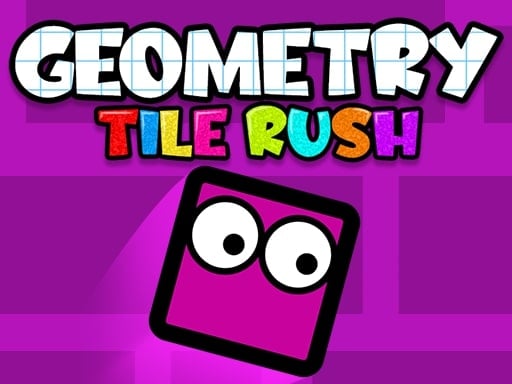
Compact pattern practice: 30 rhythm-platforming levels of steering a square block past nails and spikes at speed. The stage-based structure makes it ideal drill work — each level is a fixed timing problem where calculating the right jump point beats raw reaction. For players grinding toward consistency rather than chasing endless distance.
A scrappier flavor of the same punishment: push a piece of meat across 2D platforms laced with cubes to vault, electrical wires, and toxic substances. Hazards cluster close together, so restraint and early reads matter more than pure speed. Fast, forward, unglamorous — for players who like their precision tests with attitude.
Escalation as the whole design: geometric obstacle courses where each cleared level hands you a harder one, no story or side systems in the way. Obstacles sit everywhere, so steady movement and pattern recognition beat impatience. A straightforward ladder for players who measure progress in levels survived, not just distance run.
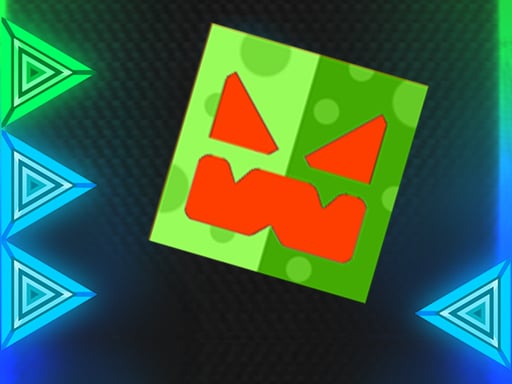
The most mechanically loaded pick: lethal spikes, rotating sawblades, and shifting gravity share the track, while jump pads and mid-air orbs act as rhythm resets when momentum turns hostile. Speed intensifies across its neon-drenched levels, so no single cadence survives the whole run. Built specifically for players who trust their reflexes.
Softens the scenery, keeps the discipline: jump and fly through wintry obstacle runs toward each finish line, collecting gifts that buy new characters in the shop. The temptation structure is the fun — gift lines pull you toward risky positions while clean landings win runs. Seasonal warmth wrapped around the same demanding forward momentum.
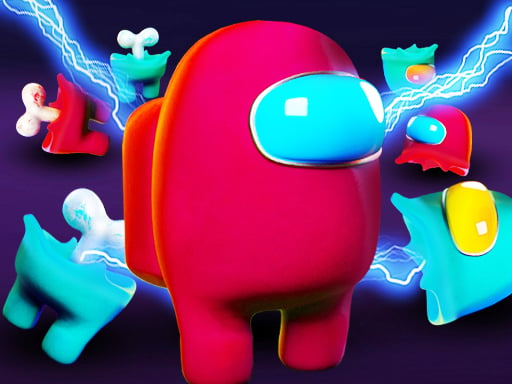
Crossover cardio: an imposter sprints for its life while astronauts pursue, and your only job is jumping past increasingly dense traps at the right instant. Repetitive jump patterns get punished — obstacle placement shifts, so anticipation beats autopilot. Character-driven visuals over neon abstraction, same tap-timing core underneath.
Pure wave-mode drill: hold to climb, release to dive, and thread a zigzag line through hexagon fields while the level counter climbs. The monochrome look strips away every distraction except spacing, which makes it the cleanest way to practice smooth control instead of panic taps. Short levels keep retries painless.
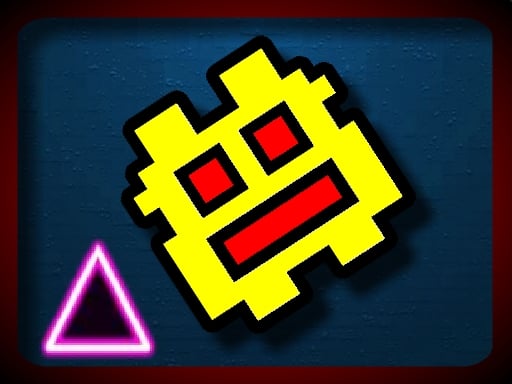
A geometric platformer with a face: guide the square through obstacle maps where triangles cluster at exactly the wrong heights. Runs are level-based rather than endless, so each map is a fixed timing puzzle you can actually finish. A good middle ground between hard drills and casual sessions.




Which one should you try first?
Choose these alternatives when the original Geometry Dash loop sounds right, but a different visual theme or difficulty flavor would keep practice fresh. Some picks focus on neon speed, others on meme skins, winter scenery, or harsher obstacle density. They are also useful for short browser sessions, since the controls are immediate and failed runs reset quickly without needing a long tutorial.
FAQ
Which browser games feel closest to classic Geometry Dash timing?
Geometry Tile Rush, Geometry Road, and Geometry Waves are the closest matches. They focus on square movement, spike patterns, and repeated attempts until each timing sequence is learned.
Are these Geometry Dash alternatives playable without installing anything?
The listed games are browser-playable HTML5 titles from the catalog, so they are suited to quick sessions without a separate download. Performance can still depend on the device, browser, and how busy the page is.
Which option is best for a harder Geometry Dash-style challenge?
Neon Dash: Survive the Dash is the strongest pick for players seeking a harsher run. Rotating sawblades, shifting gravity, and speed that keeps escalating leave little breathing room, so clean runs demand both memorization and fast reads.
Do these games require rhythm skills or mainly quick reactions?
Both matter, but the balance changes by game. Neon and road-based entries lean on fast visual reactions, while the more direct Geometry Dash-style picks reward learning obstacle timing until jumps feel almost musical.
Explore more
Looking beyond Geometry Dash? Browse our full free games catalogue, categories, or popular tags like puzzle, 2-player, or .io games.