Games like Sudoku
10 free browser alternatives, hand-picked by the DooDoo.Love editors.
Few puzzle games have survived three decades. Sudoku is one of them. Its elegant grid and logic-based challenge have captivated players who enjoy mental rigor and pattern recognition without relying on luck.
Sudoku’s appeal lies in its balance of simplicity and depth. The rules are straightforward, but the puzzles can range from soothing to fiendishly complex, making it a timeless test of deduction and patience.
The anchor: Sudoku
If Sudoku is what brought you here, play Sudoku on DooDoo.Love.
What makes these games similar
The recommendations here share a deliberate pacing and cognitive engagement that demand sustained attention and strategic thinking. They emphasize methodical problem-solving over reflexes, favoring mental endurance and logical deduction as the core experience.
The 10 alternatives
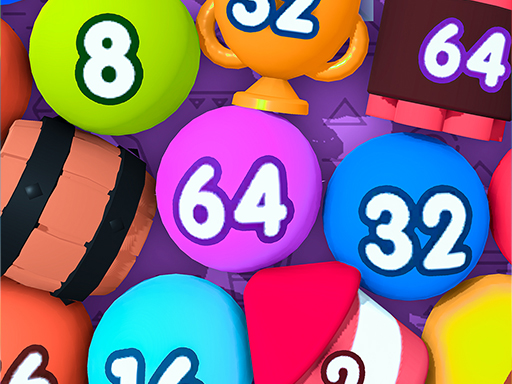
Scratches the same incremental-logic itch as a number grid, except your reasoning gets tested by physics: numbered bubbles bounce realistically, so each shot is a small trajectory deduction. Rockets and dynamite exist for the jams pure planning cannot fix. A good bridge pick when you want numbers to keep mattering but the board to move.
Feeds the deduction habit directly: math riddles built with an IQ-test approach, arranged in levels that reward spotting the hidden structure before calculating anything. Like a tough grid, the first visible numbers are often a trap — the real question sits underneath. For players who finish a puzzle and immediately want a meaner one.
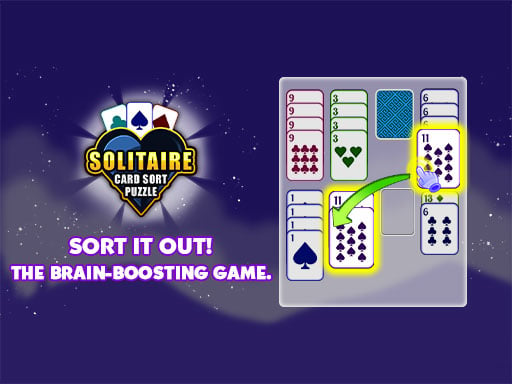
Replaces number constraints with color order: every board asks you to sort cards into perfect color sequence, and later levels get demanding enough that nearest-match moves stop working. The win comes from anticipating the board several moves ahead — the same look-before-you-place discipline a clean grid solve requires. A gentle-looking puzzle with real planning underneath.
Faster than a logic grid but built on the same pattern discipline: stack falling tetrominoes cleanly, clear lines, and adapt as six unlockable worlds — neon, fire, ice, and void — change the rules and speed. The combo system rewards thinking a few pieces ahead rather than reacting piece by piece. A tempo change that still respects planners.
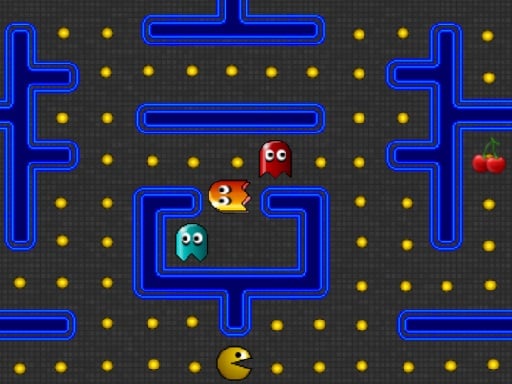
The reflex counterpoint that still honors route logic: up to 70 levels of dot-clearing where big dots slow enemies, turn them blue, and open brief windows to hunt them for bonus score. Planning safe collection routes matters as much as reaction time. Good when your brain wants movement but your habits want systematic clearing.
The deepest deduction well on this list: a chess engine spanning 18 difficulty levels from beginner to world-champion strength, with possible moves displayed, undo for blunders, and post-game analysis that highlights your mistakes. Online play preserves a rating; same-screen play covers bullet, blitz, and rapid. For logic players ready to study, not just solve.
Almost meditative next to a number grid: an open sandbox where cubic blocks become whatever structure you can plan, with grid snapping keeping ambitious builds symmetrical. There are no objectives pushing you — the systematic thinking is self-imposed, which is exactly the appeal for puzzle minds. Pick it when you want order-building without a scorecard.
Stepwise reasoning with a pen: each level asks you to draw lines or shapes that guide a stickman to safety, and your strokes behave physically — functioning as ramps or shields once drawn. Even timing matters, since a line started too late cannot redirect anything. Deduction-first players tend to click with its plan-then-commit rhythm.
A slower strategic rhythm disguised as an arcade game: your fish grows by eating smaller prey, but growth slows as you get bigger, so target selection becomes an efficiency calculation. Dangerous ocean zones hold the richest feeding, and a two-player mode adds a rival to out-think. For logic players who want their patience tested in motion.
The polar-opposite palate cleanser: one tap keeps a pumpkin airborne, and the whole game is threading it between robot poppy hands without contact. No deduction, just rhythm — which is why it works between long logic sessions. Medals and a personal best give the repetition a goal beyond mere survival.


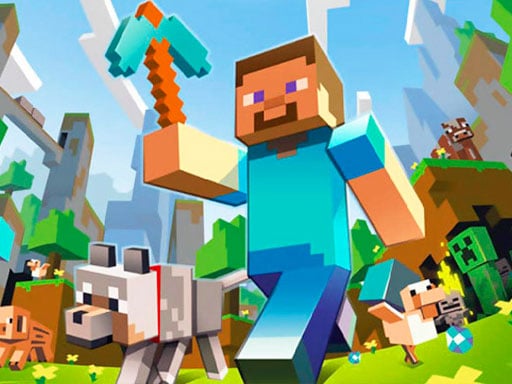



Which one should you try first?
Choose these games when seeking a break from Sudoku’s pure logic with experiences that still engage the mind through pattern recognition, strategic planning, or numeric reasoning. They suit players who enjoy thoughtful pacing and mental challenge without relying solely on speed or chance.
FAQ
Is Sudoku harder than it looks at first?
Sudoku’s simplicity can be deceptive; while early puzzles are approachable, advanced grids require complex deduction and pattern recognition, making the difficulty curve quite steep for newcomers.
Does regular Sudoku practice improve working memory?
Consistent Sudoku solving can enhance working memory and concentration by training the brain to hold and manipulate multiple possibilities simultaneously.
Are Sudoku puzzles ever unsolvable?
Properly designed Sudoku puzzles always have a unique solution, but poorly constructed ones can be unsolvable or have multiple solutions, which detracts from the intended logical challenge.
What strategies help in solving difficult Sudoku puzzles?
Advanced techniques like naked pairs, hidden singles, and X-wing patterns help players eliminate possibilities and solve complex Sudoku grids more efficiently.
Explore more
Looking beyond Sudoku? Browse our full free games catalogue, categories, or popular tags like puzzle, 2-player, or .io games.