Unblocked Sports Games
12 HTML5 titles that load in typical school and office browsers.
Rain cancels outdoor PE, the gym is double-booked, and the class lands in the computer lab for a supervised free period — the exact moment sports games get searched from school machines. The twelve picks below run entirely in the browser: tennis rallies, hockey drills, penalty shootouts, car soccer, badminton sets, and putting challenges that start in seconds without an install. Selection leaned toward short built-in formats — first to five goals, one drill, one putt — so a finished match fits inside whatever time the timetable left over.
Why HTML5 browser games load when others don't
Browser sports games simulate their physics client-side on the HTML5 canvas, so after the first page load there is no video stream, plugin request, or installer for a filter to inspect. Assets stay small — a court, a ball, a few sprites — and travel over the same HTTPS connection as ordinary websites, which keeps these titles within what most school networks already permit.
A note on Acceptable Use Policies
A rained-out PE period is not automatic permission to play. Check whether the school's Acceptable Use Policy allows game sites during supervised free time, follow whatever the teacher running the room says, and close the tab when instruction resumes. None of this content is intended to route around network rules.
Short-break vs. deep-play picks
Several picks end on a built-in clock: Basket Random, Soccer Random, and Minicars Soccer all stop at five points, Penalty Kick Wiz resolves kick by kick, and one missed return closes a Mini Tennis run. When a free period stretches longer, the level progression and ball unlocks in Unblocked Golf Challenge, the five-, seven-, or nine-set matches in Stickman Sports Badminton, and the deliberate putting of Golf Golf reward the extra time. Hockey Skills sits between the two — a single drill is always short, but clearing every target is not.
Our 12 picks
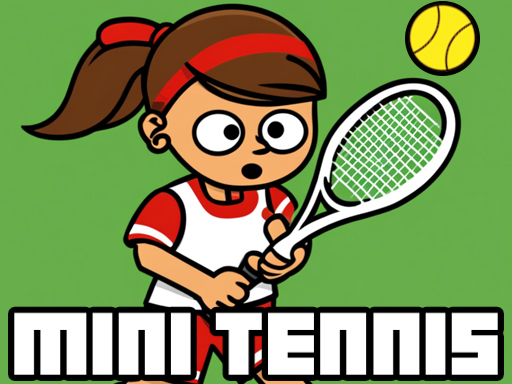
Miss a single return and the run ends — that one-mistake rule keeps rounds tight enough for the shortest lab break. Balls arrive faster the longer the rally survives, and airborne bottles must be dodged between strikes, so movement matters as much as swinging. A stated Platinum medal gives score chasers a concrete target.
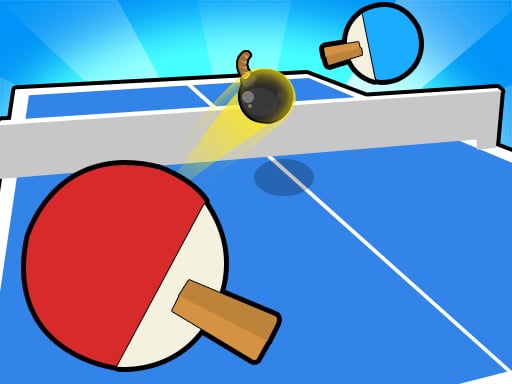
Beat the opponent and fight for every point — the game states its brief that plainly, then makes timing do the rest. Rallies hinge on returning the ball accurately as opponents grow tougher match by match, so it plays like a skills ladder: a quick first game, a genuinely contested fifth.
Across multiple 3D courses of rising difficulty, each hole is a read-the-layout problem: judge power and trajectory, then commit to the swing. Collected rewards buy different balls, each carrying its own advantage, which adds light progression. Controlled shots beat maximum force here, making it a thinking game disguised as sport.
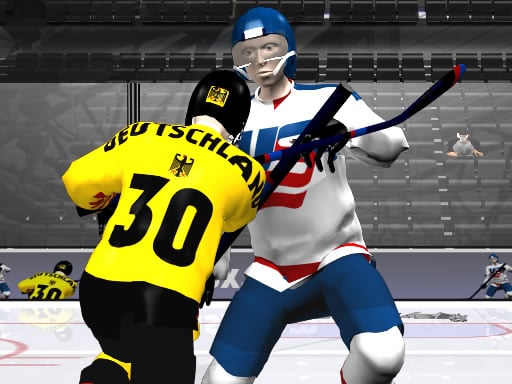
Rather than staging a full match, this one runs hockey practice drills — speed skating, shooting on goal, hitting targets — one task at a time. Each drill is its own short attempt with a clear pass-or-retry rhythm, which suits a lab period where full games would be cut off midway.
A single key press fires every shot, and the court, players, and ball redraw themselves after each point. Matches race to five, against either the computer or a friend on the same machine, so a full game genuinely finishes inside a few minutes — randomness included at no extra cost.
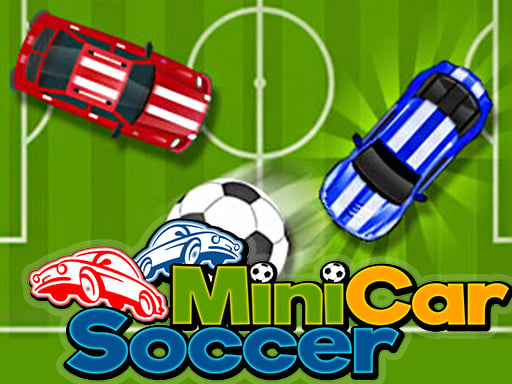
With seven car models that trade speed against control and three selectable ball sizes, setup choices actually shape each match of car soccer. First to five goals wins, three bonus pickups appear on the field mid-game, and matches stay short enough that a rematch with a different car is usually possible.
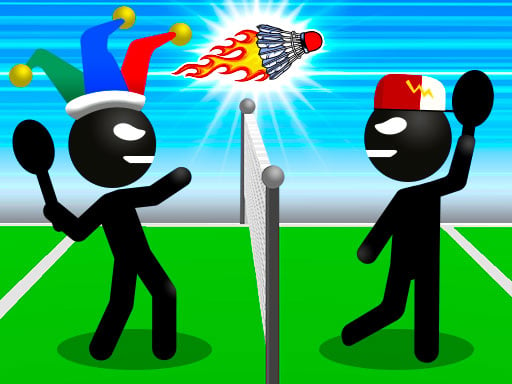
Realistic shuttle physics drive these stickman badminton rallies, with boosters — a bigger racket, a fireball, faster movement — layered on top as an arcade twist. Match length is configurable at five, seven, or nine sets, and solo play offers Normal or Hard CPU levels, so sessions bend to fit the time available.
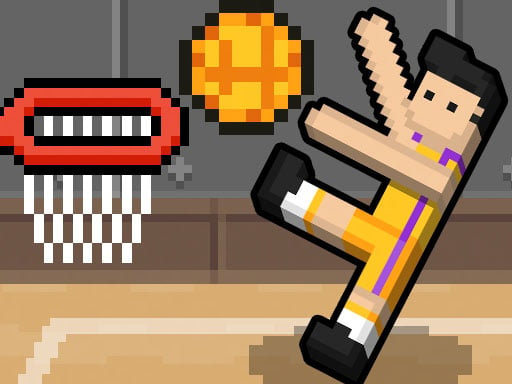
Timing each release against a moving hoop is the entire skill test, and the game quietly adapts — the basket shifts position based on how well previous shots went. That escalating recalibration keeps score runs honest without adding controls, making it an easy pick for a five-minute accuracy contest between lessons.
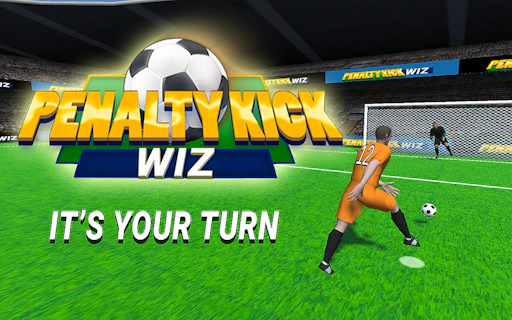
Every kick is a guessing duel between shooter and keeper, built on split-second decisions rather than long play sequences. Shots and saves resolve as compact, self-contained moments, which is exactly the rhythm a short break rewards — commit, react, and either celebrate quietly or queue the next attempt.
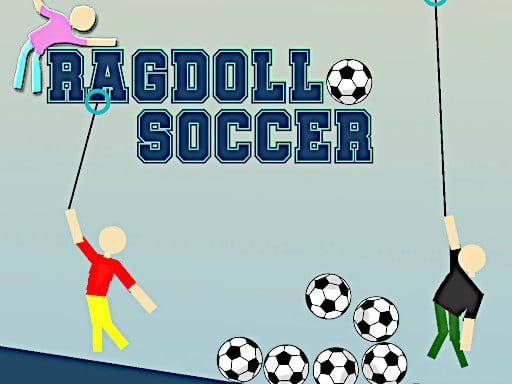
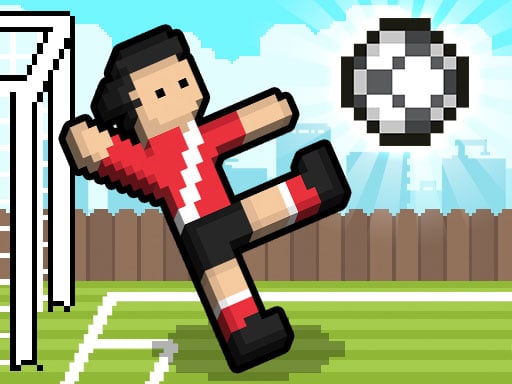
The player body is deliberately floppy, so scoring here means steering loose momentum rather than executing crisp moves. A one-player puzzle mode leans into positioning problems, while the two-player match turns the same wobble into a reactive contest — two distinct paces from one game, both fine for a short session.
Two buttons run the whole match — one per side — and pressing yours makes both of your ragdoll players jump-kick at once. First to five goals wins while conditions re-roll between goals: iced pitches, beaches, moving goalposts. Mistimed kicks become comedy own-goals, which is half the appeal on a shared desk.
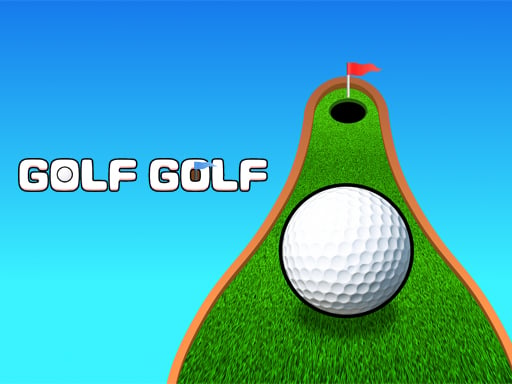
This putting game treats every hole as a small trajectory problem: set the aim, judge the power, and adjust strength incrementally instead of hammering retries. The measured pace makes it one of the calmer picks here — closer to a physics puzzle than a stadium sport, and easy to put down mid-round.


FAQ
Why do sports games load on school Wi-Fi when bigger gaming sites don't?
Most browser sports titles are small, canvas-rendered physics games delivered over standard HTTPS. There is no installer, plugin, or video stream involved — the elements content filters most commonly block — so to the network they behave much like ordinary web pages.
Which of these finish fastest when a break is nearly over?
Basket Random, Soccer Random, and Minicars Soccer all end at five points, and a Mini Tennis run stops at the first missed return. Those built-in stopping rules make them the practical picks when only a few minutes remain.
Do these games need a second player, or can the computer stand in?
Solo play is covered across the list: Basket Random offers a computer opponent, Stickman Sports Badminton includes Normal and Hard CPU modes, and Ping Pong Table Tennis raises its opponent difficulty match by match. Two-player modes are available when a classmate joins, but no pick requires one.
More to explore
Browse the full Sports category, the unblocked games guide, or the complete catalogue.